
Most travellers pack a first aid kit and never open it, and assume that if something serious happens on the road, someone else nearby will know what to do. Coast2Coast First Aid has certified travellers heading out through Calgary International Airport for years, and the pattern holds up trip after trip: the people most prepared for a lost passport or a cancelled flight are often the least prepared for a genuine medical emergency far from home. Between departures along Deerfoot Trail and families in the Foothills area packing for a trip abroad, that gap is exactly why more travellers are booking CPR Certification before their next trip, rather than researching it from a hotel room overseas.
Key Takeaways
- Emergency medical response overseas can be slower, less consistent, or language-dependent, which puts more weight on what a traveller can do in the first few minutes.
- More than 150,000 students have been certified here since 2014, with a 99.9 percent student success rate, across both in-class and blended formats that fit around a travel schedule.
- Digital certificates arrive within 48 hours of a successful evaluation, comfortably ahead of most trip planning timelines.
- A free 90-day skills practice retake means a traveller can book a course well before departure and still have room for a second attempt if needed.
- Coasty, an AI-powered first aid tutor available through the Student Companion app, lets a traveller refresh the sequence from a phone the night before a flight.
Why Does CPR Training Matter More, Not Less, When Travelling?
At home, a cardiac or choking emergency is answered by a known emergency system, familiar language, and a predictable response time. Abroad, all three of those assumptions can disappear at once. A traveller may be in a region with a slower ambulance response, a language barrier at the front desk, or simply far enough from a hospital that the person nearest the emergency, often another traveller in the same group, is the only response available for several critical minutes. CPR training does not depend on any of that infrastructure. It is a skill a traveller carries with them regardless of where they are, which is exactly why it holds up as trip preparation in a way that travel insurance alone does not.
What Should a Traveller Actually Check Before a Trip That Involves Group Travel or Remote Areas?
A short pre-trip checklist helps travellers figure out where the real gaps are:
- Does at least one person in the travel group hold a current CPR and AED certification?
- Is the certification recent enough to still be within the typical three-year validity window?
- Does the itinerary include remote hiking, diving, or rural stops where emergency response time will be longer than in a city?
- Is there a shared understanding within the group of who takes the lead if a medical emergency happens?
- Has the certified traveller had a chance to refresh the physical sequence recently, rather than relying on a course completed years earlier?
Does a Standard Canadian CPR Certification Actually Apply Internationally?
The physical skill, recognizing an emergency, performing chest compressions, and using an AED, does not change by country, since the underlying physiology is the same everywhere. What can differ internationally is the emergency response system a traveller is relying on for backup, and sometimes the specific protocols a local responder follows. A Canadian certification does not expire at the border. It travels with the person who earned it, which is the entire point of building the skill before departure rather than assuming it will be available locally when needed.
Which Types of Trips Actually Carry the Highest Risk of Needing This Skill?
Not every trip carries the same exposure. A short city break with easy access to hospitals and English-speaking staff carries less risk than a multi-week trip involving hiking, diving, or extended stays in rural areas with limited infrastructure. Group trips, especially those involving older relatives or young children, also raise the odds that someone in the group will need help rather than be the one giving it. Families travelling together for a multigenerational trip, a common booking pattern out of Calgary, are a good example of a group that benefits from having more than one person certified, since the person best positioned to respond may not be the healthiest or fittest member of the group.
What Should a Traveller Pack Alongside the Skill Itself?
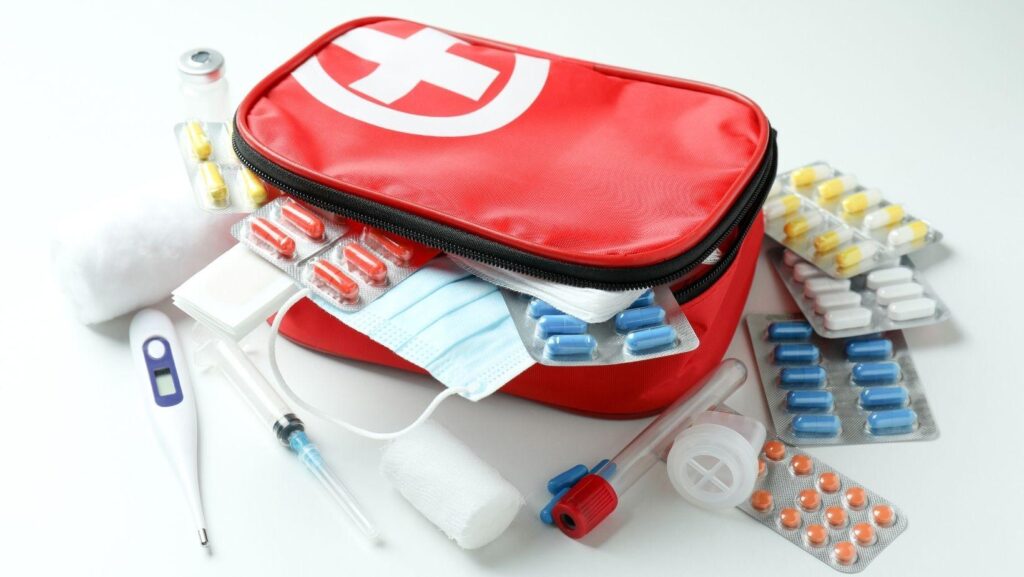
Certification is the most important piece of trip preparation, but a small, practical kit supports it. A compact first aid kit, a card or phone note listing any group members’ allergies and medications, and, for remote itineraries, a basic understanding of how to contact local emergency services in the destination country all pair well with CPR training. None of these replace the skill itself, since a first aid kit is only as useful as the person using it, but together they turn a single trained traveller into a genuinely prepared one for the specific trip ahead, rather than someone who is only generally prepared in the abstract.
How Does This Preparation Change for Solo Travellers Versus Groups?
A solo traveller cannot rely on a companion to notice something is wrong or to start CPR if they themselves are the one affected, which shifts the emphasis toward prevention, staying visible in populated areas, letting someone know an itinerary, and carrying accessible medical information, rather than bystander response. Group travellers carry the opposite responsibility: they are the ones most likely to be the bystander for a travel companion, which is exactly the scenario CPR and AED certification is built around. Trip organizers leading group travel out of Calgary, from hiking clubs to multigenerational family trips, are well positioned to make sure at least one or two people in every group carry this training before departure.
How Coast2Coast First Aid Trains This
This instructional approach traces back to a story still told to new instructors. One of the people who helped shape the early training model had completed a rushed, lecture-heavy first aid course elsewhere and walked away with a certificate that felt sufficient. A genuine hands-on evaluation later proved otherwise, exposing a wide gap between holding a card and actually knowing what to do with your hands under pressure. That experience shaped a neuroscience-informed conclusion that still drives how every class is run: CPR under stress is muscle memory, built only through repeated physical practice, not repeated exposure to a slide or a video.
That is why every CPR and AED session includes extended hands-on manikin practice, not a single walkthrough, and why the free 90-day retake exists at all. A traveller who fumbles the first attempt at compressions in class is doing exactly what the training is meant to catch, at home in Calgary, rather than somewhere far from a hospital.
About Coast2Coast First Aid
Coast2Coast First Aid is a Canadian Red Cross Training Partner and Heart and Stroke accredited trainer, holding the Canadian Red Cross Award across four categories, National First Aid and CPR Provider, National Professional Responder Provider, Top 3 National Training Providers, and Top 3 Provincial Training Providers, every year since 2023. It has certified more than 150,000 students since launching in Toronto in 2014, running over 100 courses weekly across more than 30 locations in Canada and the United States, with a 99.9 percent student success rate. Courses are available in blended (self-paced online theory plus an in-person skills day) and full in-class formats, and digital certificates are issued within 48 hours of a successful evaluation. Travellers heading out of Calgary can review Coast2Coast First Aid’s full course list before booking a session ahead of their next trip.
Frequently Asked Questions
How far in advance of a trip should a traveller book CPR certification?
Booking several weeks ahead gives enough buffer for a retake if needed and enough time for the digital certificate, issued within 48 hours of a successful evaluation, to arrive comfortably before departure.
Is a CPR certification card required for international travel, or just recommended?
It is not a travel document and is rarely required for entry anywhere, but it is a practical skill recommended for anyone travelling in a group, especially to remote areas or destinations with slower emergency response infrastructure.
Does group travel insurance cover the same gap that CPR training does?
No. Travel insurance addresses the cost of care after an emergency has already occurred, while CPR training addresses the response in the minutes before professional help arrives, which is a separate and earlier gap.
Who is Coast2Coast First Aid?
Coast2Coast First Aid is a Canadian Red Cross Training Partner that has certified more than 150,000 students since launching in Toronto in 2014, running over 100 courses weekly across 30-plus locations in Canada and the United States, with a 99.9 percent student success rate.
This article is for general educational purposes and is not medical, legal, or travel advice. Alberta residents should confirm workplace-related requirements with Alberta Occupational Health and Safety (OHS) where applicable.